The Digital Goldmine: Why Your Email List is Your Most Valuable Asset
Stop relying on social media algorithms. Learn why owning your audience through email marketing is the key to sustainable growth and scientific personalization.
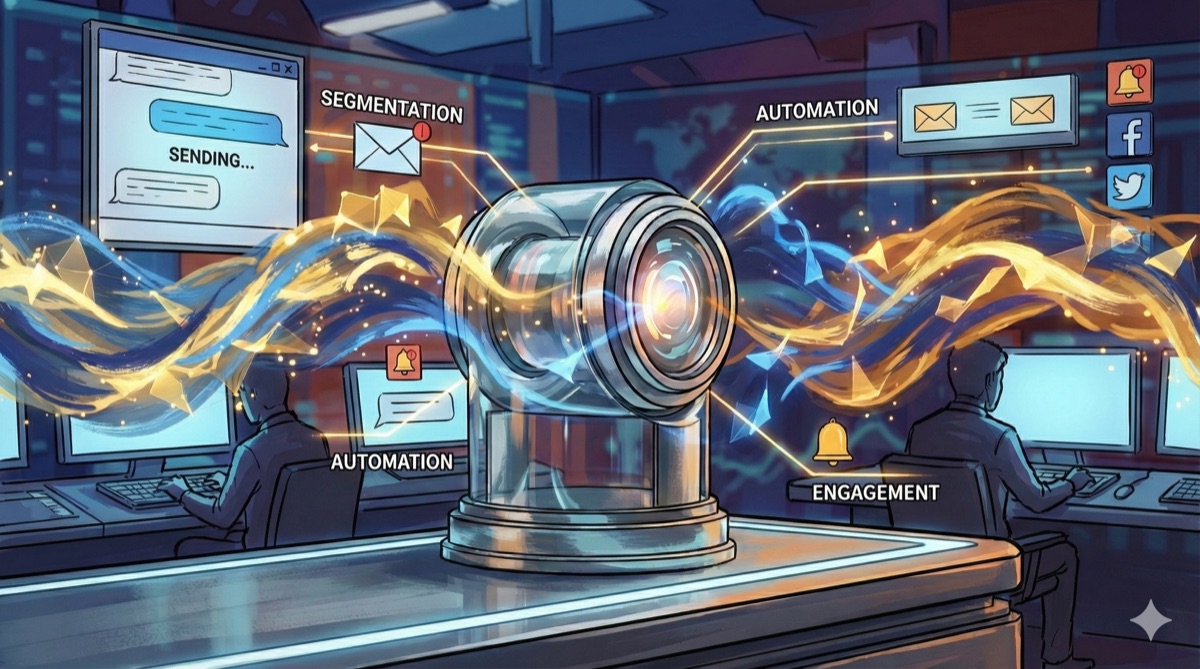
Imagine waking up tomorrow to find that Instagram has changed its algorithm again, cutting your organic reach in half. Or worse, your TikTok account with 10,000 local followers has been suspended by mistake.
If your primary way of talking to customers is through social media, you are building your business on rented land. The landlord (Meta, ByteDance, Google) can change the rules, raise the rent, or evict you at any time.
In the laboratory of local marketing, we treat social media as a top-of-funnel discovery tool. But for long-term, sustainable growth, there is only one channel that gives you total control and consistently high ROI: Your email list.
It is the only digital asset you truly own.
The Nurture Loop: Consistency Creates Trust
Many small businesses treat email as an emergency lever—something to pull only when they need quick cash or have a massive announcement. The rest of the time, radio silence.
This is a mistake. Email isn’t just a sales bullhorn; it’s a relationship-building tool.
If you only show up in someone’s inbox asking for money, they will tune you out. The goal is to create a “Nurture Loop”—a consistent rhythm of communication that provides value, keeps your brand top-of-mind, and makes the eventual “ask” feel natural.
What should you be sending?
- Operational Updates: Don’t let customers guess. Are your holiday hours changing? Did you hire a new head chef? Did you finally restock that best-seller? These functional updates are highly valued.
- Events & Community: Are you hosting a pop-up? A VIP late-night shopping hour? A workshop? Email is the best way to fill an event because it reaches the people most likely to show up.
- Value-First Promotions: Yes, send offers. But frame them as exclusive benefits for being on the list. “Because you’re a subscriber, you get first dibs on our summer sale.”
Consistency signals reliability. When customers see your name in their inbox regularly with helpful information, trust is built.
The Science of Segmentation: Death to the “Batch and Blast”
The biggest reason email marketing fails for local businesses is the “Batch and Blast” method: sending the exact same generic email to every single person on the list.
It’s lazy, it’s annoying, and frankly, it’s unscientific.
Modern email marketing isn’t about volume; it’s about relevance. If you treat a first-time customer exactly the same as a VIP who spends $500 a month with you, you are alienating both.
This is where Segmentation enters the lab.
Segmentation means dividing your email list into smaller groups based on data, allowing you to hyper-personalize your messaging.
Examples of Segmentation in Action:
- Behavioral Segmentation: A customer bought a high-end coffee machine from your shop six months ago. Don’t send them an email advertising coffee machines. Send them an email about the new single-origin beans that just arrived that would taste great in their machine.
- Lifecycle Segmentation:
- New Subscribers: Should receive an automated “Welcome Series” introducing your brand story and best services.
- Lapsed Customers: Someone hasn’t visited in 90 days? Your system should automatically trigger a “We Miss You” email with a small incentive to return.
- VIP Segmentation: Your top 10% of spenders should never receive a generic 10% off coupon. They should receive invites to exclusive previews or personal notes from the owner.
When you use segmentation, your open rates skyrocket, unsubscribe rates plummet, and revenue per email increases dramatically because the recipient feels understood.
Start Treating Data Like Gold
Every email address you collect is a person raising their hand and saying, “I want to hear from you.” That permission is incredibly valuable.
Don’t squander it with silence, and don’t abuse it with irrelevant blasts.
Start collecting emails at every touchpoint—on your website, at your point of sale, and through your social channels. Then, use the scientific method: segment your audience, test different messages, measure the results, and refine your approach.
If you aren’t building your list today, you are leaving your business’s future in the hands of an algorithm. Take back control.